Introduction to Appeals – North Carolina
In an eviction action, tenants have the right to appeal the Magistrate’s judgment to District Court for a brand-new trial within 10 days after the judgment is entered. As soon as you become aware of an appeal, please click here to notify us immediately.
After we are made aware that a tenant has filed an appeal, and you agree to our representation, our office will file a Notice of Appearance with District Court. This Notice of Appearance is required for the clerk to send any necessary documents directly to our office.
The most important document the clerk will mail is the “Notice of Appeal Trial” or “Notice of Hearing” to inform the parties of the date and time of the appeal trial. Unlike in small claims court where we can call and schedule a court date, the clerk calendars all appeal trials and will then mail the parties the Notice. Please click here to forward any and all Notices you receive from the Court to us as soon as you receive them.
Typically, the clerk’s office will schedule the court date for the appeal 6-8 weeks after they receive the tenant’s notice of appeal.
*Please Note: Once we undertake representation of the appeal, the case will be “locked” on the Nationwide website and any further actions in the matter will be managed by the attorney handling the appeal. Please remain in contact directly with the Paralegal and the Attorney handling your appeal on any/all information you may have regarding the case.
The information provided on this page is intended for clients of our firm only and is specific to the state of North Carolina.
What is the cost of an appeal?
Pricing for all of our “ancillary” services (anything other than a standard non-payment eviction) are posted on our website under our Ancillary Pricing page.
Be sure to choose your state to see the most up-to-date pricing.
The information provided on this page is intended for clients of our firm only and is specific to the state of North Carolina.
What documents are needed for Court?
In order to prepare for District Court, we must have the following documents immediately sent to us so the attorney can prepare all the necessary exhibits for trial:
- The full lease agreement;
- A current ledger;
- Any notices to the tenant regarding the breach of lease for which the eviction was filed.
If there are other issues with the tenant (i.e. maintenance issues, partial payments tendered, complaints filed with state agencies, demand notices sent after filing the eviction, etc.), you must notify the attorney immediately so they can be prepared to address such issues in court.
The information provided on this page is intended for clients of our firm only and is specific to the state of North Carolina.
What is Discovery?
Discovery is the process by which parties involved in a lawsuit exchange evidence and information about the pending lawsuit. During the discovery process, the parties can ask each other questions (called interrogatories), request documents (known as a request for production of documents), or request that the other party admit or deny certain things (known as a request for admission). Once served with discovery requests, the receiving party MUST respond within thirty (30) calendar days, otherwise the requesting party can seek additional remedies including a dismissal of the case.
The information provided on this page is intended for clients of our firm only and is specific to the state of North Carolina.
What is a Motion for Summary Judgment?
A motion for summary judgment is a procedural request that asks the judge to decide the case based on the law, when there are no factual matters in dispute. Once we file a motion for summary judgment, our attorneys will argue the motion before the judge and request that a judgment be entered in your favor without the need for a lengthy trial.
The information provided on this page is intended for clients of our firm only and is specific to the state of North Carolina.
What is the Rent Bond?
The tenant is required to pay their rent (commonly referred to as “rent bond”) to the Clerk of Court within the first five (5) business days of each month (remember; weekends and holidays don’t count!) throughout the appeal process.
*Please note; even if the writ is filed and/or executed due to non-payment of the rent bonds, we are still required to appear at the District Court trial date to have a trial on the matters to request that a judgment be entered in your favor so you can legally regain possession of the apartment.
In short, executing a writ of possession due to a tenant’s failure to pay a rent bond NEVER ends the tenant’s appeal!
Without the entry of a judgment by a District Court Judge, the tenant could make a legal argument that they have the right to be put back in possession of the unit.
The information provided on this page is intended for clients of our firm only and is specific to the state of North Carolina.
Who checks the Rent Bond?
YOU must check on the rent bond!
You can find out about the status of the rent bond payments by calling your courthouse or by taking advantage of the North Carolina eCourts portal. Contact information can be found on the eCourts Portal.
You will need to provide the clerk with the appeal case number so they can look it up for you.
If the tenant does not pay the rent bonds, you may be entitled to file a writ.
Please contact your appeal team if you are told by the Clerk that this tenant has NOT paid, and you wish to file a writ.
The information provided on this page is intended for clients of our firm only and is specific to the state of North Carolina.
Rent Bond Portal Check Instructions:
As part of the appeal process, we require our clients to check on the status of rent bond payments to the court.
- You can use the following link to check the status of the rent bond payments: https://portal-nc.tylertech.cloud/Portal/
- After clicking the link above, click the “Smart Search” button on the page and then enter the case number or party information to find your case. You should be able to find the case number in Nationwide or in the email that you received from our Appeals team.
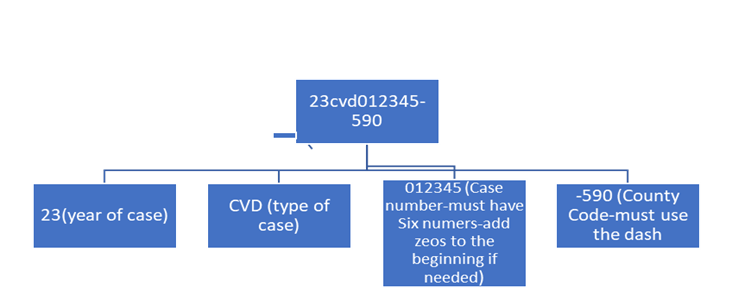
- Case numbers use the following format: 23CVD012345-590. In this example, we are using the County Code for Mecklenburg. To find your county’s code, click here.
- Upon finding the appeal case summary, scroll to the bottom of the page where it says, “Financial Information”.
- If you would still like to contact the clerk of court directly for additional information, you may find the phone number on the North Carolina Judicial Branch website or you may click reply all to the email you received from our Appeal Team to ask for direct contact information.
We also have a great tutorial you can watch that will show you more about the eCourts portal. Click here to watch it.
The information provided on this page is intended for clients of our firm only and is specific to the state of North Carolina.
When is my trial?
The timing of your trial varies county by county. Typically the cases are scheduled for trial 6-8 weeks out, but some are taking longer. Mecklenburg County could take as long as 6 or more months.
Once an appeal has been filed, it is up to the Clerk of Court to schedule the appeal for trial and to schedule all motions for hearing in the meantime. Our appeals team will contact you with ANY updates as we receive them from the Clerk. There is no way to expedite an appeal hearing, so if you have not heard from our team that means that the hearing has not yet been scheduled.
The information provided on this page is intended for clients of our firm only and is specific to the state of North Carolina.
Will I have to be present at the Trial?
Yes; you must be present! The trial procedure is much stricter in District Court so a person from the property must be present in court to testify about the tenant’s default. Therefore, a person from the property who is familiar with the case must be present at the court date with the tenant’s complete file. If we do not have that necessary witness in court to testify, the case is subject to being continued for at least another 30 days or even possibly dismissed by the Judge.
The information provided on this page is intended for clients of our firm only and is specific to the state of North Carolina.
What happens after Trial?
If the judgment is entered in your favor at the appeal trial, the tenant has 30 days to vacate the unit, and this will apply even if the tenant does not appear at the court date. This 30-day vacate period also serves as the tenant’s appeal window to the North Carolina Court of Appeals.
The tenant is still required to pay any rent bonds that become due during the 30 days and their failure to do so will allow the writ of possession to be filed early. Otherwise, you must wait until the 30 days has expired before you can submit a request to file the writ.
The information provided on this page is intended for clients of our firm only and is specific to the state of North Carolina.
When will we Receive the Rent?
Each county is different, but most courts will hold these rent bond payments until we have appeared at the District Court trial date and then disburse the monies to the Plaintiff (you) based on the outcome of the trial within 30 days of the filed Judgment Order.
If the court disburses any rent bond payments to you while we are waiting for the trial date, you may accept these payments without waiving your right to proceed with the eviction.
The information provided on this page is intended for clients of our firm only and is specific to the state of North Carolina.
How is my appeal handled in Nationwide Compliant?
Once our team places a case on appeal status on the Nationwide Compliant website, it is no longer handled via that platform. You will not be able to request a writ via Nationwide and dismissing the case in Nationwide will not actually result in a dismissal being filed with the Court. For anything related to an appeal, please work directly with our appeals team.
After you have notified us of the appeal via our Contact form (choose “Case Appealed by Tenant” from the Department dropdown), our team will reach out to you. From that point forward, all communication should be with the Appeals team via email on the same thread that they started when they reached out to you. This way, all communication is kept in one place. Please do not delete that initial email but save it for future reference and to continue the conversation.
The information provided on this page is intended for clients of our firm only and is specific to the state of North Carolina.